
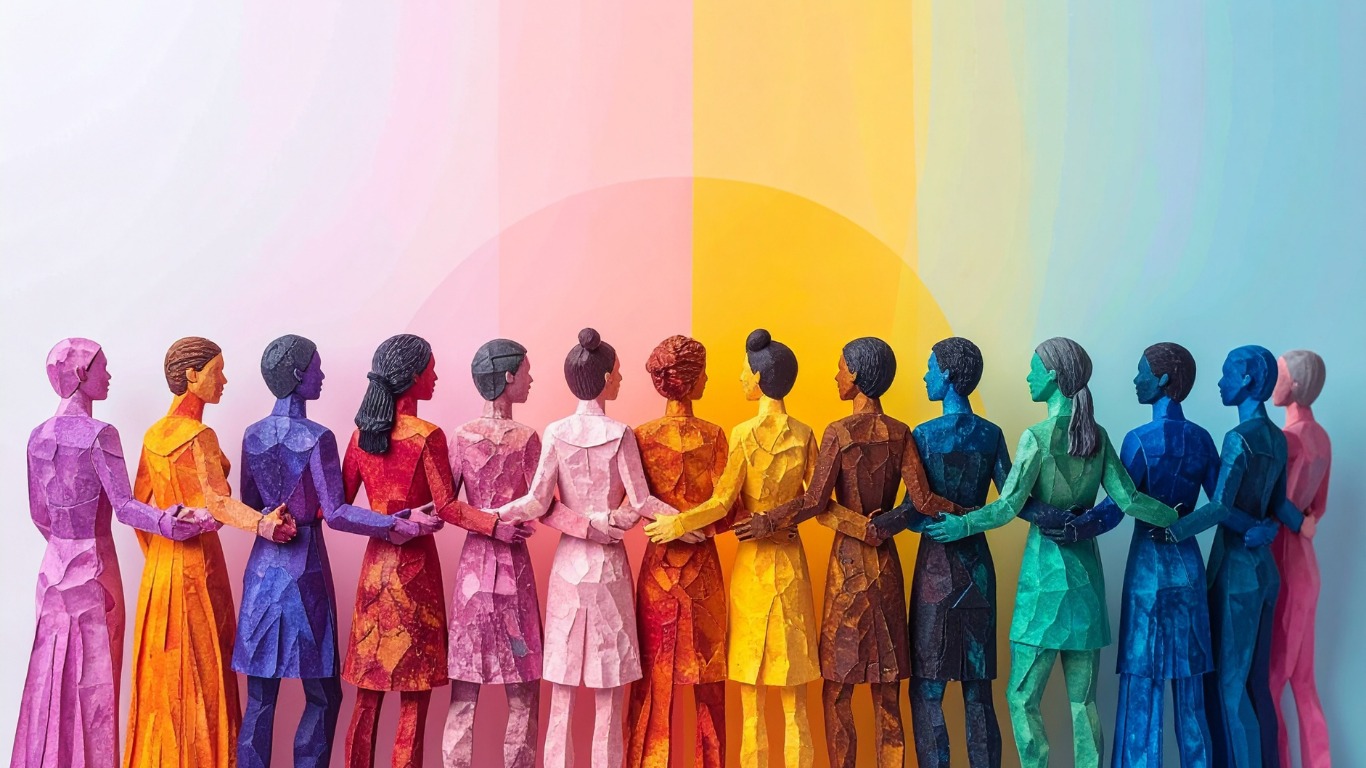
Women’s empowerment isn’t just a buzzword, it’s about ensuring women and girls have the rights, opportunities and confidence to shape their own lives. In Australia and around the world, empowering women strengthens families, communities and economies. When women are supported to learn, lead and earn, everyone benefits.
At its core, women’s empowerment is about equality. It means girls having access to quality education, women being paid fairly for their work, and equal representation in leadership and decision-making roles. While Australia has made progress over the decades, gender inequality still exists. The gender pay gap, underrepresentation of women in senior corporate roles, and higher rates of unpaid care work carried by women all show that there is more to be done.
Education is one of the most powerful tools for empowerment. When girls are encouraged to pursue subjects such as science, technology, engineering and mathematics (STEM), they open doors to high-paying and innovative careers. Equally important is teaching boys and young men about respect, consent and gender equality. True empowerment is not about one gender rising at the expense of another, it’s about creating balance and fairness.
Economic independence is another key factor. Women who have access to secure employment, financial literacy and business opportunities are better able to make decisions about their futures. In Australia, female entrepreneurs are increasingly launching small businesses, contributing to local communities and challenging traditional industry norms. Supporting women-owned businesses through grants, mentorship programs and networking opportunities helps level the playing field.
Leadership representation also matters. Seeing women in positions of power whether in politics, business, sport or the media challenges outdated stereotypes and inspires the next generation. When young girls see women leading companies, running for parliament or captaining national sports teams, it expands their sense of what is possible. Representation builds confidence and ambition.
However, empowerment is not only about professional success. It also involves safety, health and wellbeing. Addressing issues such as domestic and family violence, workplace harassment and unequal caregiving responsibilities is essential. Empowerment means creating environments where women feel safe, respected and valued in every aspect of life.
Importantly, women’s empowerment benefits society as a whole. Research consistently shows that gender-equal societies experience stronger economic growth, better health outcomes and more stable communities. Diverse leadership teams make better decisions, and inclusive workplaces are more innovative. Equality is not just a moral issue it is a practical and economic one.
Achieving lasting change requires collective effort. Governments must implement fair policies, businesses must commit to inclusive practices, schools must promote equality, and individuals must challenge everyday sexism and bias. Conversations at home, in classrooms and in workplaces all play a role.
Women’s empowerment is an ongoing journey rather than a destination. While significant strides have been made, the goal of true gender equality remains ahead. By continuing to advocate for fairness, opportunity and respect, Australia can build a future where every woman and girl has the freedom and support to reach her full potential.