
In Australia, there are three layers of government federal, state and territory, and local, each with distinct roles and responsibilities designed to ensure the effective governance of the nation. Together, they share power and cooperate to deliver services and laws that meet the needs of Australians at every level.
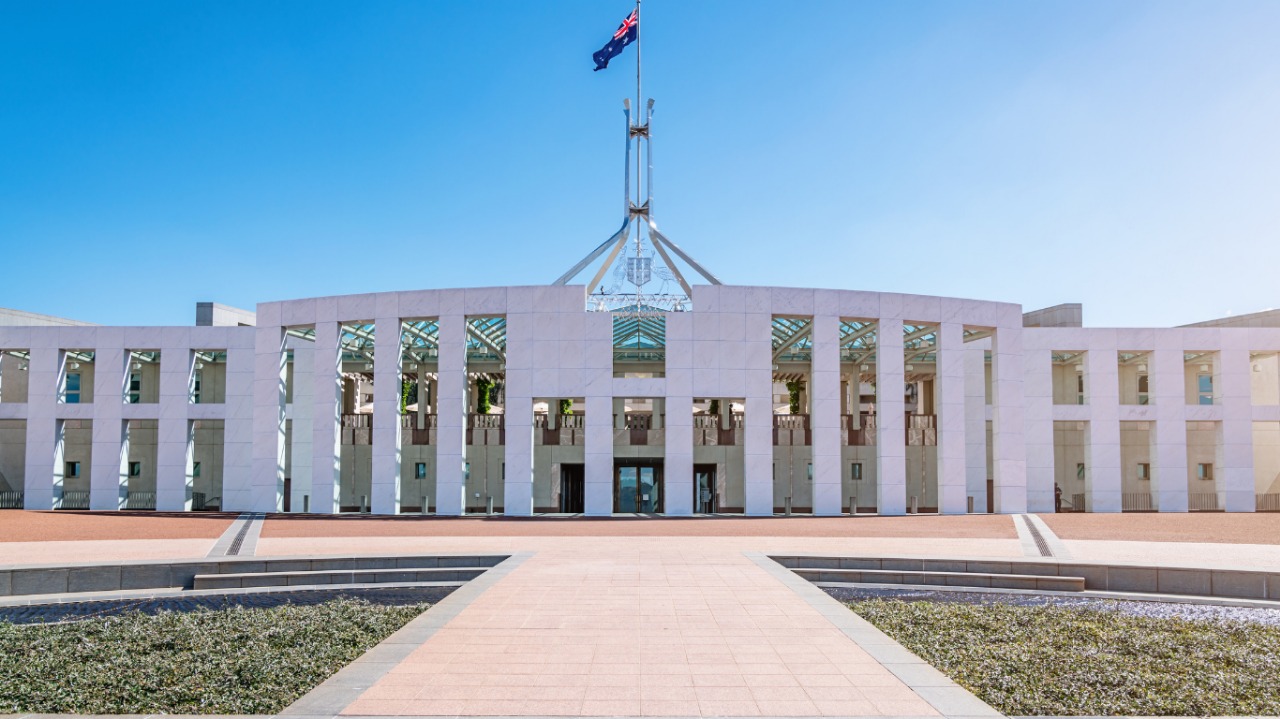
The federal government, based in Canberra, is responsible for national affairs and issues that affect the entire country. It makes laws on matters such as defence, foreign policy, immigration, taxation, trade, and postal and communication services. The federal government also oversees social security, Medicare, and national economic policy. It raises most of Australia’s tax revenue and provides funding to states and territories for essential programs like health, education and infrastructure.
The state and territory governments manage issues that are more regional in nature, focusing on services and laws within their boundaries. Each state and territory has its own parliament and premier or chief minister. Their main responsibilities include public hospitals, schools, transport systems, police and emergency services, and natural resource management. States also oversee land use, housing, and most criminal and civil laws. They can raise revenue through state taxes and fees but rely heavily on funding from the federal government to deliver services.
The local government, often referred to as councils or shires, operates at the community level. Local councils are responsible for local planning and development, waste collection, public parks and recreation facilities, local roads, libraries, and community services. They play a crucial role in ensuring the liveability and maintenance of neighbourhoods and towns. Local governments collect revenue mainly through rates on property and receive additional funding from state and federal governments.
Overall, these three layers of government work together to ensure that national priorities, regional needs, and local services are all effectively managed. The federal government focuses on broad, nationwide issues; state and territory governments manage regional responsibilities; and local councils handle the day-to-day needs of communities. This division of powers allows Australia’s system of government to remain balanced, efficient, and responsive to the diverse needs of its people.