
Public transport in New South Wales (NSW) plays a vital role in keeping the state moving. From the bustling streets of Sydney to the regional towns spread across the state, trains, buses, ferries and light rail form the backbone of daily commutes and regional travel. Efficient public transport not only reduces traffic congestion but also promotes sustainable travel, making it an essential part of life for residents and visitors alike.
Trains: The Lifeline of Sydney
Sydney Trains operates an extensive suburban rail network connecting the city centre with suburbs, beaches and outer regions. With more than 170 stations across multiple lines, the train network is indispensable for daily commuters. The introduction of modern Waratah trains has improved reliability, safety and passenger comfort, while the Opal card system makes travelling seamless and convenient.
For regional and intercity travel, NSW TrainLink connects Sydney to major destinations such as Newcastle, Wollongong and the Blue Mountains, offering both convenience and scenic views along the way.
Buses: Covering Every Corner
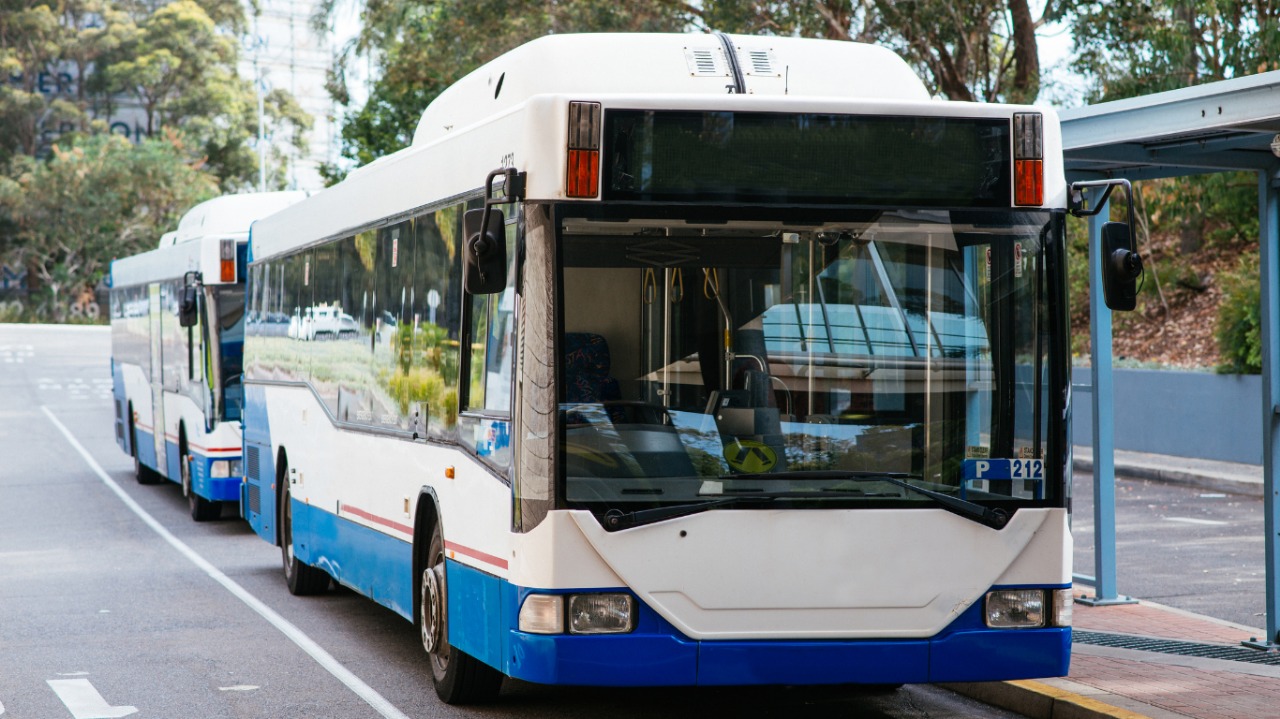
Buses complement the train network by servicing areas not directly connected by rail. Operated by a mix of public and private providers, buses run frequently in metropolitan areas and offer flexible routes in regional communities. NightRide bus services also ensure that residents have access to transport even when trains aren’t running, maintaining connectivity around the clock.
Ferries and Light Rail: Scenic and Sustainable Options
Sydney Ferries provide a unique and picturesque way to travel across Sydney Harbour. From Circular Quay to Manly, Parramatta and other harbourside destinations, ferries are a convenient and enjoyable mode of transport for commuters and tourists alike.
Light rail services in the inner city and eastern suburbs offer a modern, efficient alternative for shorter trips, helping to reduce car dependency and ease traffic congestion.
Innovation and Sustainability
NSW continues to invest heavily in public transport infrastructure, including the electrification of train lines, the expansion of light rail networks and the integration of real-time tracking apps. These innovations improve accessibility, shorten travel times and support environmental sustainability by cutting carbon emissions.
Conclusion
Public transport in NSW is more than just a means of getting from point A to point B it’s a system that connects people, supports communities and drives economic growth. Whether travelling by train, bus, ferry or light rail, residents and visitors can enjoy a reliable, efficient and environmentally friendly way to move around. With ongoing investment and innovation, the future of public transport in NSW promises to be even more connected, sustainable and user-friendly.