
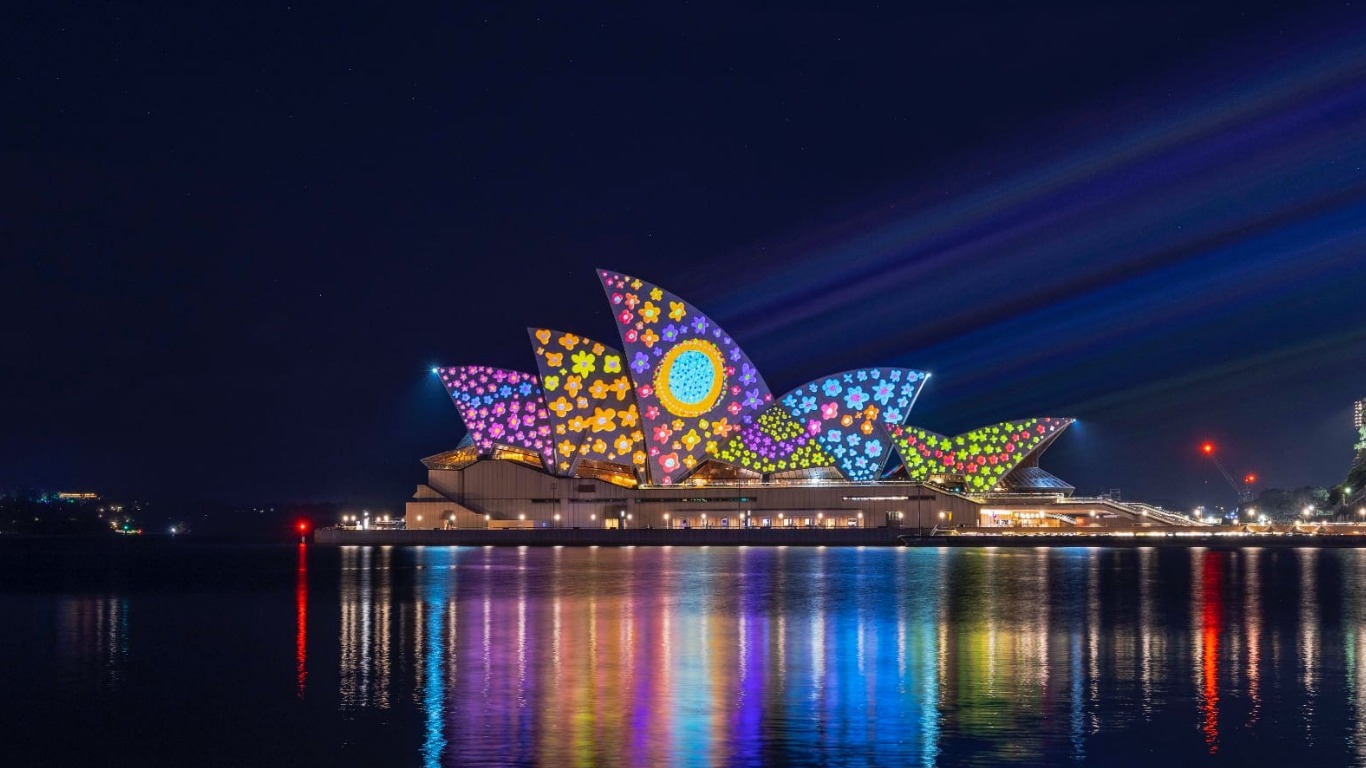
Australia is one of the most culturally diverse nations in the world, shaped by generations of First Nations peoples and migrants from every corner of the globe. One of the most powerful and joyful ways this diversity is expressed is through community festivals. From local neighbourhood celebrations to large-scale cultural events, these festivals play a vital role in bringing people together, fostering understanding, and strengthening social cohesion.
Community festivals offer a space where cultures are not only acknowledged but celebrated. Through music, dance, food, language, and traditional dress, communities are able to share their heritage with others in an open and welcoming environment. Events such as Harmony Day celebrations, Lunar New Year festivals,Pongal, Holi, Diwali, Eid, Christmas markets, NAIDOC Week events, and multicultural food festivals showcase the rich tapestry of cultures that make up modern Australia.
For many migrant and refugee communities, festivals are more than entertainment; they are a way to preserve identity and pass traditions on to younger generations. Children and young people who grow up participating in cultural celebrations gain a stronger sense of belonging and pride in their heritage, while also learning to appreciate cultures beyond their own. This dual sense of identity helps foster confident, inclusive future citizens.
Community festivals also play an important role in breaking down stereotypes and reducing prejudice. When people experience different cultures firsthand, tasting unfamiliar foods, listening to stories, or enjoying performances, fear of the “unknown” is replaced with curiosity and respect. These shared experiences humanise cultural differences and remind us of the values we have in common: family, community, resilience, and joy.
From an economic perspective, festivals support local businesses, artists, and performers. They attract visitors, boost tourism, and create opportunities for small businesses to showcase their products and services. Local councils and community organisations often collaborate to organise these events, strengthening partnerships and encouraging civic participation.
Importantly, community festivals also provide opportunities to recognise and honour Australia’s First Nations cultures. Aboriginal and Torres Strait Islander performances, art, and storytelling are essential components of many festivals, helping to educate the broader public about the world’s oldest continuing cultures and the importance of reconciliation.
In an increasingly digital world, where division and misinformation can spread easily, face-to-face community events are more important than ever. Festivals create safe, inclusive spaces where people can connect beyond headlines and assumptions. They encourage conversations, friendships, and mutual understanding that extend well beyond the event itself.
Celebrating diversity through community festivals sends a powerful message: that Australia’s strength lies in its people and their stories. When communities come together to celebrate who they are and where they come from, they reinforce a shared commitment to respect, inclusion, and unity.
As Australia continues to evolve, supporting and participating in community festivals is a meaningful way for individuals, organisations, and governments to nurture social harmony and ensure that diversity remains a source of pride not division for generations to come.